
A kitchen is the true heartbeat of a home. It is where you host friends around the center island and enjoy the quiet satisfaction of brewing morning coffee. A premium kitchen transformation goes well beyond a simple aesthetic upgrade. It is a significant investment in your daily lifestyle and your property’s long-term architectural value.
Bringing a grand vision to life involves coordinating hundreds of complex details. You have to balance variable artisanal cabinetry lead times with precise mechanical engineering and municipal building codes. Homeowners who experience the most rewarding renovations share a common understanding. The secret to a successful result is mastering the project schedule long before demolition begins.
It is completely natural to envision your journey starting on the first day of physical work. Elite design-build professionals and veteran contractors know better. The true foundation of a spectacular project is established weeks before the first tool arrives on site. Aligning material procurement, municipal approvals, and structural preparations ensures a high degree of predictability. This strategic foresight keeps your momentum continuous throughout the entire build and minimizes the disruption to your household.
This guide covers when things happen, week by week, phase by phase, from design to final walkthrough. For guidance on which decisions to make before construction begins, layout, materials, contractors, and budget, see the complete Kitchen Remodel Guide for Homeowners.
Consider this guide your strategic master blueprint. From the initial spark of design inspiration to the celebration of your first home-cooked meal, here is exactly how to orchestrate a well-timed, realistic, and exceptionally executed kitchen remodel.
The Master Blueprint: Kitchen Remodel Timeline Overview
When embarking on the architectural evolution of your gathering space, the first milestone is establishing a clear and realistic schedule. Navigating this journey requires a balance of design precision and structural coordination. Understanding the overarching timeline empowers you to seamlessly align your family’s lifestyle with the impending construction phases.
The Quick-Glance Kitchen Remodel Timeline Guide
A comprehensive U.S. kitchen remodel typically spans 12 to 24 weeks. This timeframe encompasses design, material procurement, permitting, and active construction. While the physical build phase generally requires 6 to 12 weeks for a mid-range project, meticulous early-stage planning and accounting for municipal permit backlogs ensure a fluid and predictable transformation.
The exact duration of your project naturally scales with your architectural ambitions and local regulations. A sophisticated surface update focusing on premium finishes progresses swiftly over a few weeks. Conversely, a grand open-concept re-architecture that reconfigures the room’s entire footprint requires a much broader window. This accounts for structural engineering, potential plumbing relocations, and comprehensive municipal collaboration.
The 5-Phase Renovation Lifecycle
Elite design-build firms utilize a structured methodology based on industry standards to maintain optimal momentum. This framework turns a highly complex construction process into a series of predictable and manageable milestones.
- Phase 1: Ideation, Design & Material Curation (Weeks 1 to 6)
- This is the creative and technical foundation. Collaborate directly with your design team to finalize space planning, specify professional-grade appliances, and select custom finishes.
- Phase 2: Permissions, Ordering & Logistical Readiness (Weeks 7 to 12)
- The critical preparation phase. Your home remains untouched while your team secures local municipal permits and confirms your long-lead items are safely warehoused.
- Phase 3: Structural Renewal & Mechanical Rough-Ins (Weeks 13 to 15)
- The physical transformation begins. This phase encompasses careful demolition and space preparation, followed immediately by the installation of modern electrical panels, HVAC ducting, and precision plumbing infrastructure.
- Phase 4: Precision Finishes & Architectural Elements (Weeks 16 to 20)
- The aesthetic installation phase. Skilled craftsmen hang drywall, install custom cabinetry, template and place premium stone countertops, and lay intricate backsplash tile work.
- Phase 5: Final Detailing & Culinary Inception (Week 21 and Beyond)
- The polished conclusion. This final stage involves meticulous punch-list resolution, appliance calibration, passing final municipal inspections, and returning the space to your family.
Expert Observation: The Procurement-First Anchor
An industry-insider strategy to ensure a fluid timeline is the “Procurement-First” approach. Premier contractors coordinate the start of physical construction only after your major components arrive at a local fulfillment center. This includes custom imported cabinetry, specialized smart appliances, and plumbing fixtures.
By anchoring the demolition date to actual material availability rather than estimated shipping dates, you protect yourself from global supply chain variables. This practical foresight prevents your kitchen from sitting gutted and idle while waiting for a backordered oven.
Phase 1: Ideation, Design, and Material Curation
(Weeks 1 to 6)

The genesis of a stunning kitchen transformation begins well before construction crews arrive. This initial phase is dedicated to harmonizing your lifestyle aspirations with structural realities. It creates a technical foundation that guarantees absolute operational fluidity later in the project.
Translating Vision into Architectural Space
Think of your new kitchen layout through the lens of functionality and ergonomics. True luxury prioritizes effortless spatial flow based on established National Kitchen and Bath Association (NKBA) guidelines. A successful design captures abundant natural daylight to illuminate work zones and establishes inclusive gathering areas. A thoughtfully extended central island gracefully accommodates casual family dining on one side while providing a dedicated, safe workspace for culinary preparation on the other.
When establishing your project leadership, choosing an integrated design-build firm offers a highly streamlined experience. By uniting the architect, interior designer, and master builder under a single collaborative contract, technical communication flows perfectly from the initial sketch to the final polish. This unified approach maximizes efficiency and ensures your design intent aligns seamlessly with your structural budget.
Alternatively, selecting an independent architect paired with a general contractor provides distinct creative viewpoints. This setup excels when coordinated through highly detailed collaborative project management software and clear chains of communication.
Material Specification and Premium Sourcing
Exceptional spaces are defined by tactile excellence and superior engineering. Finalizing your complete material palette early is an essential focus during these opening weeks. This includes everything from the durability of natural quartzite countertops to the exact electrical requirements of professional-grade induction ranges.
Securing these choices early serves as the primary anchor for a predictable timeline. When procurement takes precedence, your design team can generate engineering drawings with millimeter precision. This ensures that gas lines, 220V electrical outlets, and custom ventilation hoods perfectly match your exact appliance models before any structural framing begins.
Cabinet Tier Efficiency & Lead Times
Cabinetry serves as both the aesthetic anchor and the primary structural backbone of your kitchen. Understanding realistic procurement windows empowers you to select the ideal tier for your specific timeline and budget.
| Cabinet Category | Typical Procurement Window | Primary Design Advantage |
| Custom Artistry | 10 to 16 Weeks | Tailored dimensions built to the millimeter, unique wood species, and limitless finish matching. |
| Semi-Custom | 6 to 10 Weeks | Balanced lead times combined with significant dimensional flexibility and factory-applied premium finishes. |
| Stock Luxury | 2 to 4 Weeks | Rapid availability of standard modular sizes featuring reliable, high-quality construction. |
By dedicating these initial six weeks to meticulous curation and realistic timeline planning, you pave the way for a smooth and rewarding construction phase.
Phase 2: Permissions, Ordering, and Logistical Readiness
(Weeks 7 to 12)

Weeks 7 through 12 represent a sophisticated phase of behind-the-scenes orchestration. While your existing kitchen remains fully functional, your design-build team operates with high-level precision to prepare your home for a seamless structural transition.
Navigating Municipal Codes and Approvals
Securing the proper structural, electrical, and plumbing approvals from local U.S. building authorities is a mandatory foundational step. Proper permitting preserves your property’s legal compliance and long-term appraisal value.
Permit timelines vary drastically by geographic region. A permit that takes two weeks in a midwestern suburb might take three months in a coastal metropolitan area. An established regional contractor utilizes their professional relationships and understanding of local zoning laws to coordinate these approvals with maximum efficiency. By submitting highly detailed engineering schematics early, your team facilitates a smoother approval process and anticipates municipal inspector scheduling.
Establishing the Secondary Culinary Suite
Transitioning to the active construction phase requires adapting your family’s daily routines. Living through a remodel is notoriously challenging. Many homeowners successfully mitigate this stress by setting up a highly organized temporary kitchen.
Creating a functional temporary kitchen in an adjacent dining area, garage, or finished basement allows you to maintain basic culinary independence. It is important to set realistic expectations, as you will likely be washing dishes in a laundry sink or bathroom basin.
- Smart Countertop Appliances: A premium convection toaster oven, a rapid-heating induction hot plate, and a multi-functional pressure cooker provide exceptional versatility without requiring 220V power.
- Dedicated Refrigeration: Relocating your old refrigerator or renting a compact unit keeps fresh ingredients and morning refreshments perfectly chilled.
- Curated Dining Essentials: Packing away your fragile items and relying on a specialized set of durable dinnerware makes cleanup significantly easier.
The “On-Site Verification” Strategy
Elite project managers utilize a strict logistical checklist to guarantee uninterrupted progress. This strategy ensures that active construction proceeds without sudden halts.
- Physical Asset Confirmation: Your contractor conducts a hands-on inventory check at their local fulfillment warehouse. They verify that all your major materials (including cabinetry boxes, specific plumbing rough-in valves, and luxury appliances) are physically present and undamaged.
- Sequential Timing Activation: The physical demolition of your property begins with total assurance only after this audit. Knowing every primary component is ready ensures the construction crew operates with continuous forward-moving energy.
Phase 3: Structural Renewal and Mechanical Rough-Ins
(Weeks 13 to 15)
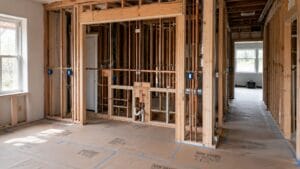
This phase represents the structural awakening of your space. Watching the physical evolution of your kitchen provides immense satisfaction as the team unveils the core architectural canvas to prepare the foundation for your new technology.
Space Preparation and Home Preservation
True craftsmanship begins with complete reverence for the rest of your residence. Construction generates an immense amount of fine particulate matter. Elite installation teams implement advanced mitigation protocols to protect your home. Utilizing specialized negative air pressure systems, heavy-duty HEPA scrubbers, and durable zip-wall barriers, the team masterfully isolates the active workspace to minimize dust transfer.
The careful demolition process is carried out with remarkable efficiency and respect. Installers meticulously remove the original structures to protect load-bearing architectural elements and preserve the integrity of your home’s existing subfloor. This highly organized approach establishes a clean blank canvas for your new layout.
Mechanical, Electrical, and Plumbing (MEP) Craftsmanship
With the underlying framework fully accessible, master tradespeople step in to install the sophisticated hidden mechanics of your kitchen. This is the moment your home’s infrastructure is brought up to modern building codes.
Your team integrates advanced utility upgrades designed to completely support a modern, high-performance lifestyle.
- Dedicated Induction Circuitry: Installing high-capacity wiring panels to support rapid-heating, energy-efficient induction ranges which require significant electrical loads.
- Smart Lighting Arrays: Configuring sophisticated wiring layouts for automated ambient lighting, under-cabinet task lighting, and ceiling accent zones.
- Advanced Filtration Plumbing: Routing dedicated water lines for pristine reverse-osmosis filtration systems and professional-grade ice makers.
Once these premium internal networks are secured, your project manager hosts the municipal official for the required rough-in inspection. Passing this milestone ensures that your kitchen’s foundation is fully verified, safe, and legally compliant.
Expert Insight: Future-Proofing Home Asset Value
While the visible finishes naturally capture our imagination, the true longevity of a premium renovation thrives behind the drywall. Upgrading an outdated 100-amp electrical panel to a 200-amp service and thoughtfully zoning your infrastructure ensures your home seamlessly accommodates the smart technology of tomorrow. This hidden work prevents costly tear-outs in the future and maintains your property’s competitive market value.
Phase 4: Precision Finishes and Architectural Elements
(Weeks 16 to 20)

This phase represents the highly rewarding period where your architectural vision vividly comes to life. Over these weeks, the skeletal structure transitions into a fully realized space defined by refined textures and artisanal craftsmanship.
Wall Architecture and Flooring Integration
The transformation blossoms with the completion of the wall infrastructure. Professional installers place premium high-efficiency insulation before hanging, taping, and finishing the drywall. Applying a high-quality primer immediately follows to seal the porous surface. This establishes a perfectly smooth and uniform canvas that allows your selected wall colors to display their true depth.
Simultaneously, the team prepares the structural subfloor to receive your chosen flooring material. Whether you are lacing in timeless engineered hardwoods to match adjacent living areas or laying large-format porcelain tile over an uncoupling membrane, achieving a perfectly level foundation ensures exceptional stability and clean sightlines.
Cabinetry Mastery and Countertop Templating
With the structural envelope secure, finish carpenters begin installing the custom perimeter and island cabinetry. Using advanced laser leveling systems, the team secures each base and wall cabinet with absolute precision. They ensure all vertical lines are plumb and every soft-close drawer mechanism glides effortlessly.
The Art of Precision: The Countertop Fabrication Gap
Homeowners are often surprised to learn there is a natural pause in construction at this stage. Countertop fabrication takes place exclusively after the final cabinet installation is completely bolted down. Because natural stone and quartz slabs must be shaped with exact precision, fabricators use digital laser systems to template the physical layout of the installed cabinets.
Once the digital templates are finalized, it typically takes one to three weeks for specialized stone artisans to cut, polish, and deliver your selected slabs. This critical waiting period ensures that when the stone arrives for installation, the seams align perfectly and the edges integrate flawlessly with your uneven walls.
Backsplash Artistry and Fixture Integration
The final weeks of this phase focus on the exquisite details that define the room’s character. Once the countertops are secured, artisans install the backsplash tile. They utilize epoxy or high-performance urethane grouts to preserve the vibrance of your design and resist food stains over time. Custom crown molding and architectural baseboards are integrated to blend the cabinetry cleanly with the ceiling and floors.
To complete the phase, master plumbers return to install your selected fixtures, such as professional-grade touchless faucets and deep workstation sinks. Simultaneously, the electrical trim-out phase begins. Electricians install the final receptacle covers and hook up your smart task lighting.
Phase 5: Final Detailing and Culinary Inception
(Week 21 and Beyond)

The final phase is where active construction transforms back into the warm and inviting core of your home. You transition from managing a construction site to thoroughly enjoying a tailored living space.
The Refinement Walkthrough and Mechanical Testing
The grand finale of your renovation begins with the detailed punch-list walkthrough. Partnering with your project manager, you will review the entire space with a highly critical eye. Industry veterans often note that the last five percent of a project takes twenty percent of the time. You will verify that custom cabinet doors align perfectly, ensure trim pieces meet the walls without gaps, and identify any minor paint touch-ups required.
An excellent practical step during this walkthrough is a comprehensive systems stress test. Elite builders recommend running your major appliances simultaneously. Turn on the induction cooktop, activate the ventilation hood to test the make-up air system, and cycle the dishwasher. Testing the systems together verifies that your upgraded electrical load and plumbing drains operate in perfect harmony.
Simultaneously, your contractor will host the local building inspector for the final structural and safety review. This successfully closes out your permits and secures your official Certificate of Occupancy if required by your municipality.
Professional Detailing and Inception Cooking
Before restocking your custom pantry and organizing your cookware, the space requires a specialized post-construction deep clean. Fine silica dust from drywall and tile cutting manages to settle into every crevice despite the best mitigation efforts. A professional detailing crew ensures a pristine environment by HEPA-vacuuming cabinet drawer glides, polishing raw stone surfaces with specialized sealers, and clearing window tracking channels.
Once the detailing team departs, the true life of the kitchen begins. Cooking your first meal in the completed space is a wonderful milestone that washes away the stress of the renovation months. As you enjoy the effortless workflow of your new layout, the weeks of logistical planning fade into a wonderful memory.
Timeline Variance: Project Scope Comparison
Every home features a unique structural foundation, and every homeowner brings a distinct lifestyle vision to the table. Because of this, kitchen remodeling timelines vary naturally based on the physical depth of the transformation. Aligning your timeline expectations with your desired project scope ensures a thoroughly prepared and deeply satisfying renovation experience.
How Project Scope Affects Renovation Timelines
The overall duration of a residential kitchen remodel is directly determined by its structural scale. While a surface-level cosmetic update without permit requirements moves swiftly over 3 to 6 weeks, an extensive structural re-architecture that involves moving core utility networks and opening load-bearing walls dedicates 16 to 24 weeks exclusively to master craftsmanship and structural engineering.
Timeline Variations Based on Scope
To help you visualize the realistic trajectory of your project, this comparative breakdown maps out the estimated construction durations and defining characteristics of the three primary levels of kitchen renovation.
| Project Scope | Estimated Construction Duration | Core Characteristics |
| Cosmetic Renewal (Pull and Replace) | 3 to 6 Weeks | The footprint remains exactly intact. The focus is purely on premium surfaces, vibrant paint, upgraded lighting fixtures, and direct appliance replacements. |
| Mid-Range Transformation | 8 to 14 Weeks | Upgraded cabinetry layout within the same general footprint, new island installation, dedicated appliance circuits, and highly modern infrastructure upgrades. |
| Structural Re-Architecture | 16 to 24+ Weeks | Load-bearing wall removal, open-concept floor plan creation, structural beam installation, and fully customized mechanical rerouting beneath the subfloor. |
Exploring the Tiers of Transformation
- The Cosmetic Renewal (3 to 6 Weeks)
This path is ideal for spaces where the existing structural layout already functions beautifully. The primary focus centers on refreshing the visual elements and tactile textures of the room without triggering massive municipal permit reviews.
For example, a homeowner might preserve their high-quality cabinet boxes but opt to reface them with premium custom doors. They might install a stunning new natural stone countertop and integrate professional-grade smart appliances into the existing cutouts. This streamlined approach introduces an immediate sense of luxury with minimal downtime.
- The Mid-Range Transformation (8 to 14 Weeks)
This scale introduces significant optimizations to storage, workflow, and physical positioning. It allows you to elegantly reconfigure the interior arrangement to better serve your culinary and hosting style while keeping plumbing stacks generally in the same area.
A classic example includes taking the kitchen down to the studs to replace previous cabinetry with fully customized storage systems. You might install an expanded central island with built-in seating and upgrade basic utility connections to accommodate modern lighting arrays. The extended timeframe ensures the drywall, flooring, and technical elements are integrated with absolute precision.
- The Structural Re-Architecture (16 to 24+ Weeks)
The definitive choice for creating a grand open-concept living environment. This profound level of remodeling completely re-imagines the home’s floor plan. It frequently involves architectural engineering to seamlessly connect the kitchen with adjacent dining or living rooms.
Consider a design that moves the main sink and gas cooking range to entirely new walls. This invites master tradespeople to meticulously route new plumbing lines, trench concrete slabs, and pull high-voltage electrical circuits. The result is an architectural masterpiece that permanently elevates your property’s value, though it requires immense patience during the build.
Frequently Asked Questions (FAQ)
Navigating a kitchen transformation involves making educated choices that harmonize your design goals with daily logistics. Below are direct expert-verified insights addressing the primary scheduling and operational inquiries shared by U.S. homeowners.
What is the most efficient order of steps when remodeling a kitchen?
The most efficient industry-standard sequence for a kitchen remodel follows a precise progression. This maximizes structural integrity and prevents trades from working on top of one another.
- Architecture & Design: Finalizing layout blueprints and spatial schematics.
- Material Procurement: Securing and warehousing all custom components prior to demolition.
- Permitting: Obtaining necessary structural and mechanical approvals from local building authorities.
- Space Preparation: Carefully removing the original kitchen structures and mitigating dust.
- Structural Framing & Rough-In Utilities: Installing internal electrical, plumbing, and HVAC networks inside open walls.
- Drywall & Paint: Hanging, taping, finishing, and priming the wall architecture.
- Flooring: Laying a level foundation and installing the chosen surface material.
- Cabinetry & Countertop Installation: Laser-leveling cabinetry, templating the space, and placing precision-cut stone weeks later.
- Appliance Integration: Setting up, wiring, and calibrating professional-grade appliances.
- Detail Finishes & Final Inspection: Fitting decorative trim, resolving the punch list, and securing municipal sign-offs.
Following this structured order allows each specialty artisan to build upon a perfectly prepared surface. It keeps your project moving forward systematically.
Can you remain living in the home during a major kitchen renovation?
Yes, remaining in your residence is highly feasible and quite common when approached with clear planning and organized preparation. Maintaining a comfortable household environment relies entirely on two strategic elements.
First, setting up a dedicated secondary culinary space in an adjacent dining room or sunroom ensures you can prepare fresh meals and maintain family routines. You must mentally prepare for the inconvenience of washing dishes in alternative sinks.
Second, premier construction teams utilize specialized commercial air-purifying systems and sealed zip-wall thermal barriers. While no construction site is completely dust-free, these negative air pressure systems isolate the active zone. This ensures the air quality in the rest of your home remains safe and clean.
How can I optimize the schedule to ensure the project moves forward swiftly?
The single most impactful way to maintain optimal momentum is to finalize all design selections and confirm that all of your materials are successfully warehoused locally before active work begins.
When custom cabinetry, bespoke tiles, and specialized appliances are securely stored nearby, your project is insulated from shipping delays. This proactive approach allows your contractor to coordinate consecutive subcontractor schedules with absolute certainty. It ensures that the plumber, electrician, and drywaller arrive exactly when the space is ready for them.
Elevating Your Home’s Value
Investing in a bespoke kitchen transformation is a masterful way to harmonize personal lifestyle improvements with tangible financial appreciation. When you honor a structured and meticulously sequenced timeline, you ensure that every dollar invested in premium materials translates directly into exceptional daily performance and lasting property value.
The Investment Return of a Premium Kitchen Remodel
A planned kitchen renovation serves as a dual investment, enhancing both daily lifestyle functionality and long-term property equity. According to annual national remodeling cost-versus-value data, a well-executed kitchen transformation consistently stands as a primary driver of residential property appeal. While high-end luxury remodels often recoup between 50 and 60 percent of their cost in immediate financial appraisal value, minor cosmetic updates can recoup upwards of 80 percent.
Maximizing Financial and Lifestyle Equity
Real estate data consistently demonstrates that residences featuring thoughtfully updated culinary spaces attract premium interest and stand out beautifully in the competitive housing market. For instance, integrating custom-engineered pantry systems, a beautifully scaled center island, and highly durable quartz surfaces creates an immediate visual anchor that commands admiration from buyers.
True value extends far beyond pure financial appraisal metrics. The most profound return on your investment is realized in the fluid efficiency of your daily routines, the absolute comfort of hosting seamless social gatherings, and the enduring beauty of a space custom-tailored to your household. A luxury remodel provides massive dividends in lifestyle equity.
By prioritizing a procurement-first schedule and collaborating with top-tier artisans, you ensure absolute excellence from the very beginning. A well-choreographed timeline guarantees that your materials are perfectly fitted and your infrastructure is thoroughly advanced to modern codes. Your final space stands as a flawless architectural masterpiece for decades to come.
Shape Your Design Journey
Your home deserves an extraordinary future. Subscribe to our Premium Design Strategy Newsletter for exclusive architectural insights, material analyses, and curated trend reports. Alternatively, connect with a verified regional design-build professional to begin sketching your custom kitchen timeline with absolute confidence and realistic expectations.