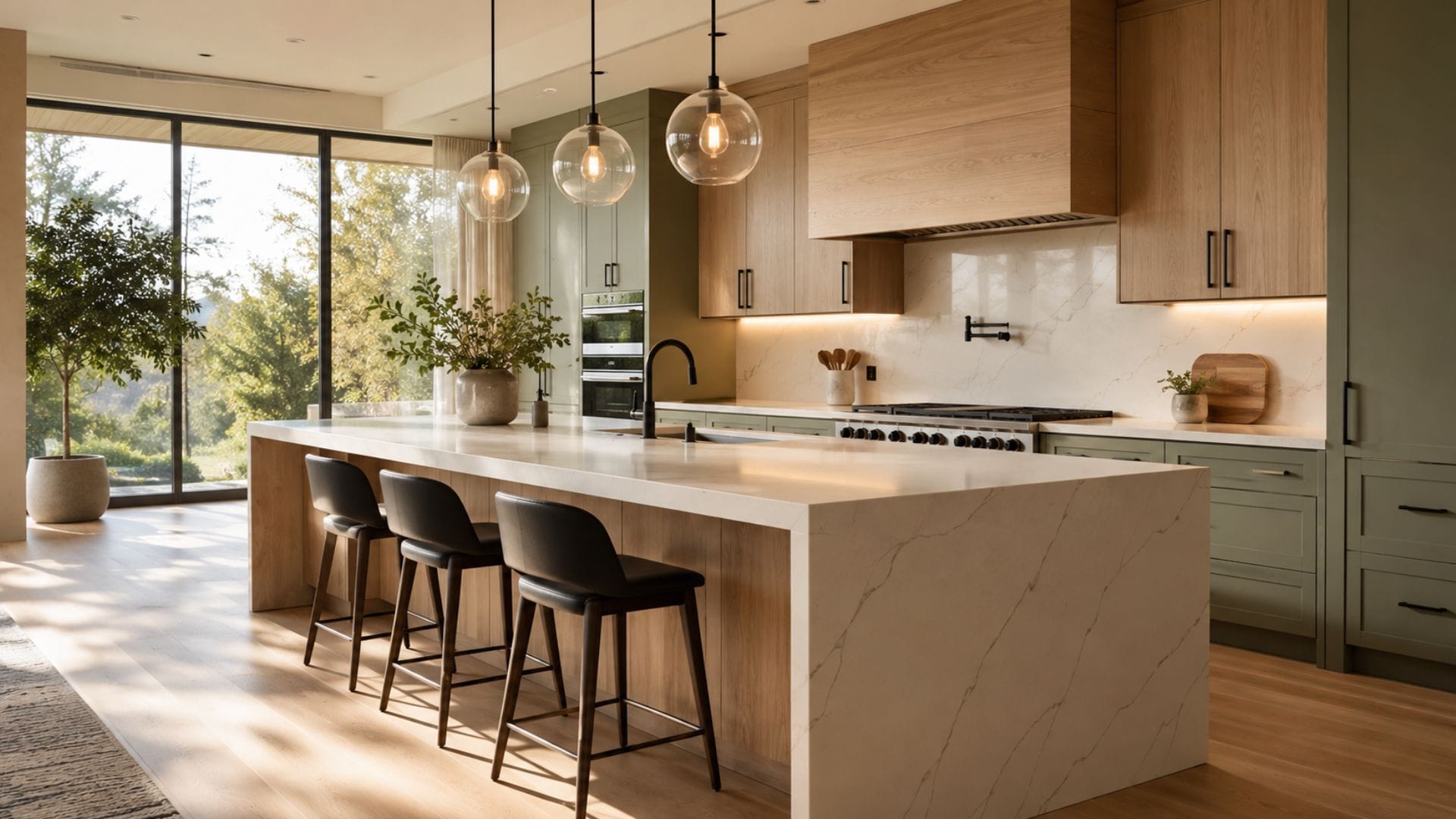

You have probably stood in your kitchen recently and imagined a completely refreshed space. Perhaps you envision cabinet doors that open smoothly with plenty of clearance. You might picture expansive counter space where multiple people can cook together comfortably without bumping elbows. That original layout likely offered great utility for its time, but it now presents a wonderful opportunity to update the design to match your current lifestyle.
After watching renovation shows and exploring materials online, you quickly recognize the sheer scope of the investment. You have incredible architectural options available right now. However, navigating those choices requires more than just a Pinterest board.
Top remodeling experts and seasoned general contractors share a common secret. The most successful kitchen renovations thrive because homeowners start with a clear, realistic roadmap. They gather detailed contractor quotes and know exactly which professionals to trust. They invest their budget in structural features that elevate both resale value and daily joy. Making decisions in the correct sequence saves thousands of dollars in change orders and keeps the entire timeline on track.
This guide provides exactly that level of clarity.
Whether your budget is $15,000 or well over $150,000, the underlying principles of a transformative remodel remain surprisingly consistent. This article covers everything you need to know from the ground up. By the time you finish reading, you will know exactly what materials to prioritize. You will learn the critical legal questions to ask every contractor before signing an agreement. Most importantly, you will make choices you will celebrate for years to come (both aesthetically and financially). The kitchen serves as the hardest working room in your home and consistently offers one of the strongest interior returns on investment in real estate. Let us make sure you plan it exceptionally well.
How Much Does a Kitchen Remodel Cost?
Kitchen remodel costs range from $9,000 for a targeted cosmetic refresh to $150,000+ for a full custom redesign. The right budget depends on your kitchen size, material tier, and whether you move any plumbing or walls. For the full 2026 cost breakdown — including regional variance, cost by project type, and a budget allocation framework , see our dedicated guide: How Much Does a Kitchen Renovation Cost in the USA in 2026? The rest of this guide covers what the cost guide does not: which decisions to make, in which order, and how to execute your remodel without expensive mistakes.
Planning Your Kitchen Remodel the Smart Way
A beautiful room with terrible traffic flow will never feel comfortable. Aligning your aspirations with your daily lifestyle ensures that every design choice serves a practical purpose, transforming your culinary space into a highly functional masterpiece.
Define Your Remodeling Goals
To establish a clear direction for your project, prioritize the specific outcomes that will most significantly elevate your daily home experience.
Better Storage: Think far beyond standard shelves. Incorporating custom pull-out pantries, deep drawer organizers for cookware, and dedicated appliance garages keeps your countertops pristine. This maximizes every square inch with tailored cabinetry solutions, keeping your daily essentials beautifully organized and easily accessible.
Optimized Entertaining Space: Create an inviting environment where guests can socialize comfortably without disrupting the cook. A spacious central island with proper seating clearance serves as the perfect gathering hub for celebrations.
Increased Home Value: Selecting timeless materials, neutral color palettes, and resilient finishes ensures a significant return on your investment. This strategy enhances home equity by prioritizing durable, high-demand features that resonate with future buyers.
Energy Efficiency: Modernize your home with smart appliances, low-flow luxury fixtures, and advanced LED lighting systems. The 2026 market places a massive premium on homes that integrate sustainable technology to optimize monthly utility costs.
Family-Friendly Design: Craft a versatile space that accommodates everyone perfectly. Feature highly durable quartz surfaces, gently rounded countertop edges, and accessible snack stations for children.
How to Choose the Right Kitchen Layout

The structural layout establishes the literal foundation of your kitchen harmony. The ideal configuration balances your room dimensions with the way your family actually cooks and gathers.
What is the best kitchen layout?
The best kitchen layout depends entirely on your available square footage and cooking style. For maximum versatility and social engagement, the Island Kitchen Layout and L-Shaped Layout are highly celebrated choices. They accommodate open-concept living, support multiple cooks, and offer exceptional storage potential.
Every architectural footprint offers unique opportunities for optimization.
| Layout Type | Best For | Primary Advantages | Space Alignment |
| Galley | Single cooks and long spaces | Maximum efficiency and optimized steps | Perfectly suited for narrow rooms |
| L-Shaped | Corner spaces and open living | Highly flexible to promote smooth traffic flow | Adapts beautifully to open-plan homes |
| U-Shaped | Avid home chefs | Abundant counter space with excellent separation | Best for medium to large square footage |
| Island Kitchen | Entertaining and spacious homes | Multitasking hub with exceptional social seating | Requires generous floor clearance |
| Peninsula Kitchen | Medium rooms wanting an island feel | Clear zone definition with extra seating | Best attached to an existing wall structure |
| Open Concept | Modern, social households | Expansive flow with a bright and airy atmosphere | Requires cohesive design with living areas |
Kitchen Workflow and Ergonomics
For decades, the gold standard of kitchen ergonomics centered on the seamless connection between the sink, stove, and refrigerator (known as the Work Triangle). Keeping the distances between these three high-use areas balanced ensures fluid, natural movement while preparing meals.
Modern home architecture has gracefully expanded this traditional concept into Zoned Kitchens to accommodate multiple cooks simultaneously.
The Prep Zone: Requires a minimum of 36 inches of continuous counter space. This area is ideally situated next to the primary sink and pull-out waste and recycling bins.
The Baking Zone: Incorporates lower countertop heights for comfortable dough rolling, dedicated heavy mixer lifts, and specialized dry ingredient storage.
The Beverage Station: Strategically positioned on the outer perimeter with a wine fridge, espresso machine, and glassware storage. This setup allows family members to refresh themselves easily without crossing the primary cook path.
Choosing Kitchen Cabinets
Cabinets serve as the structural backbone of your kitchen. They command the most visual real estate and dictate your daily organization. This is the one category where structural quality should never be compromised to save money.
Cabinet Types Explained
Selecting the right cabinet category allows you to balance your project timeline and investment goals harmoniously.
| Cabinet Type | Investment Level | Customization Freedom | Typical Lead Time | Project Fit |
| Stock | Budget-Conscious | Standard Sizes and Finishes | Immediate to 2 Weeks | Fast-paced refreshes and standard layouts |
| Semi-Custom | Mid-Range | Flexible Dimensions and Styles | 4 to 8 Weeks | Versatile layouts seeking unique storage features |
| Custom | High-End | Unlimited Bespoke Design | 10 to 16 Weeks | Unique architectural spaces and luxury designs |
Best Cabinet Materials for Durability
The core material of your cabinetry determines its longevity and performance under daily use. Selecting the appropriate foundation ensures your kitchen retains its excellent structure across every season.
Plywood vs. MDF: Plywood is the industry standard for structurally sound cabinet boxes due to its screw-holding power. However, high-grade Medium-Density Fiberboard (MDF) is heavily preferred for painted cabinet doors. MDF expands and contracts much less than solid wood, preventing hairline cracks in your paint finish during seasonal humidity shifts.
Hardware Specifications: True durability lies in the unseen hardware. Always specify full-extension, undermount drawer glides rated for at least 90 pounds, paired with premium soft-close hinges.
Professional cabinetmakers know that aligning material selection with local climate conditions optimizes long-term performance. For homeowners in humid coastal areas like Florida or the Gulf Coast, high-grade MDF doors and robust plywood boxes offer exceptional structural stability. Conversely, in the arid climates of the Southwest, properly acclimated solid wood flourishes beautifully.
Trending Cabinet Colors and Styles for 2026
The design choices driving the 2026 market celebrate organic warmth, refined simplicity, and deeply tactile experiences. The industry is moving away from stark, clinical white kitchens toward spaces that feel curated and inviting.
Warm Whites and Creams: Moving toward softer, inviting tones like alabaster and ivory. These hues reflect light beautifully while creating a serene, welcoming atmosphere that feels less sterile than pure white.
Natural Oak: Celebrating visible wood grain with ultra-matte, clear finishes. White oak adds a grounding, organic element that pairs wonderfully with modern stone countertops.
Earthy Greens: Deep moss, sophisticated olive, and soft sage are leading the way as the preferred choice for accent islands and full kitchen builds, bringing nature indoors.
Hidden Handle Systems: Streamlined, push-to-open doors and integrated J-pull channels create flat, continuous cabinetry surfaces that maximize the architectural feeling of space.
Countertops, Flooring, and Backsplashes
The surfaces you select form the tactile landscape of your kitchen. These elements endure heat, frequent spills, and daily impact, so selecting the right material requires understanding the maintenance trade-offs.
Best Countertop Materials Compared

Your countertops serve as both a visual centerpiece and the primary workspace for your culinary adventures.
What is the best countertop material for kitchens?
Engineered quartz remains the premier choice for modern kitchens, offering an exceptional blend of exquisite design variety and superior durability. Its non-porous surface delivers excellent stain protection and cleans up easily. However, it is vital to know that the resin binders in quartz can scorch at temperatures above 300 degrees Fahrenheit, making hot pads strictly necessary.
| Material | Price Range | Durability Profile | Maintenance Style |
| Engineered Quartz | Mid to High | Exceptionally High | Effortless cleaning, but requires heat protection. |
| Natural Granite | Mid to High | Remarkably Robust | Heat and scratch-resistant. Requires annual sealing. |
| Quartzite | Premium | Ultimate Durability | Offers marble veining with granite hardness. Requires sealing. |
| Porcelain Slabs | High | High Heat Resistance | Impervious to UV light and heat. Prone to edge chipping. |
| Butcher Block | Accessible | Soft and Renewing | Requires regular oil conditioning. Excellent for prep islands. |
Kitchen Flooring Options Ranked
Kitchen flooring must support continuous movement while maintaining its pristine appearance. Today’s top options are ranked by their ability to provide safety, longevity, and structural harmony.
Luxury Vinyl Plank (LVP): This material has revolutionized mid-range remodels. It stands out as the ultimate pet-friendly flooring, featuring a 100 percent waterproof core and acoustic dampening qualities that make standing for long periods much more comfortable.
Porcelain Tile: Tile offers unparalleled strength and limitless design expression. For optimal safety in a wet zone, look for collections with advanced slip resistance ratings (specifically a Dynamic Coefficient of Friction or DCOF score of 0.42 or higher).
Engineered Hardwood: Engineered hardwood introduces authentic organic warmth and increases long-term home equity by flowing seamlessly into adjacent living spaces. Its specialized layered construction offers enhanced stability, though it does require immediate attention to liquid spills to prevent joint swelling.
Backsplash Design Strategies
The backsplash acts as your perfect canvas for artistic expression, bridging the visual transition between your countertops and cabinetry.
Slab Backsplash: Carrying the exact solid stone or quartz from your countertop straight up the wall creates a seamless, ultra-modern continuity that feels incredibly luxurious and eliminates grout lines entirely.
Full-Height Tile: Extending your tile choice all the way to the ceiling creates an expansive, grand feeling that maximizes the vertical scale of the room.
Textured Stone: Introduces rich dimension and tactile depth, creating a stunning organic feature wall.
Kitchen Appliances and Smart Technology
As energy regulations tighten and sustainability becomes a priority, kitchen technology has shifted from pure novelty to daily utility. In 2026, the intersection of top-tier engineering and intuitive smart technology allows your kitchen to operate as a highly cohesive ecosystem.
Choosing Appliances That Fit Your Lifestyle
Selecting the perfect appliance suite requires looking beyond flashy features to consider how you actually interact within your home.
For Busy Families: Prioritize high-capacity, multi-functional appliances that support active schedules. Look for extra-large French door refrigerators with flexible, independent temperature drawers for quick-access snacks. Pair these with convection ovens featuring ultra-fast preheat modes.
For Passionate Entertainers: Focus on specialized features that make hosting an absolute joy. Consider incorporating dedicated dual-zone wine columns, integrated warming drawers to keep courses perfect, and a secondary whisper-quiet dishwasher to handle the aftermath of a dinner party.
For Inspired Home Chefs: Bring the precision of a professional kitchen into your home. Consider investing in a high-performance dual-fuel range that combines a responsive gas cooktop with an electric convection oven for perfectly even baking.
2026 Smart Kitchen Technology Trends
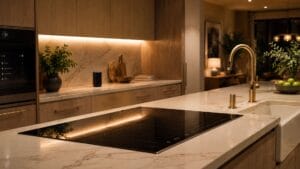
The Shift to Induction: With many US municipalities phasing out residential gas lines and the availability of major energy rebates, high-performance induction cooktops are the new 2026 standard. They boil water in half the time of gas, emit zero indoor pollutants, and remain entirely cool to the touch for maximum safety.
Energy-Optimized Appliances: Smart appliances now tie directly into home energy grids. They can be programmed to automatically run high-draw cycles (like dishwashers) during off-peak utility hours to lower your monthly electricity costs.
High-CFM Ventilation: As open-concept living remains dominant, investing in variable-speed, low-decibel range hoods is critical. You need proper ventilation to manage moisture, odors, and airborne grease without the engine drowning out your dinner conversation.
Hiring Contractors and Ensuring an Exceptional Experience
Selecting the right professional partner is the single most critical decision of your entire renovation journey. A kitchen remodel is a highly collaborative masterwork, and partnering with an ethical, skilled builder ensures that the execution of your vision is as rewarding as the final design itself.
How to Choose a Reliable Kitchen Contractor
Navigating the selection process requires a systematic approach that elevates your standards and removes all ambiguity from the decision-making process. Politeness is great, but legal and financial protections are paramount.
How do I choose a kitchen remodeling contractor?
To choose a reliable kitchen remodeling contractor, implement a structured vetting system. Verify active state licensing and comprehensive liability insurance. Review past portfolios, interview recent client references, secure detailed written estimates, and establish clear timeline guarantees before any work begins.
To ensure total peace of mind, guide your selection process using these vital structural pillars.
Active Licensing and Bonding: Verify that the professional holds all necessary state and municipal credentials required to perform structural residential work safely. Beyond basic liability insurance, a surety bond protects you financially if the contractor fails to complete the job or pay for municipal permits.
Itemized Written Estimates: Refuse single-sum estimates. Require transparent, line-by-line financial breakdowns for materials, labor, and specific allowances to ensure absolute transparency.
Lien Waivers: Ensure your contract includes a specific stipulation for lien waivers upon every progress payment. This document legally proves the general contractor has paid their subcontractors and suppliers, completely protecting your home from unexpected mechanics liens.
A Milestone-Based Payment Schedule: Standard professional guidelines dictate that payments should be tied strictly to completed, inspected phases of work (for example, paying a percentage only after rough-in plumbing passes municipal inspection). Never front-load massive payments before work begins.
Questions to Ask Before Signing a Contract
Before finalizing your partnership and committing massive resources, review this essential questionnaire with your chosen builder to align expectations completely.
Who will be the dedicated daily on-site supervisor managing my project?
What are the exact start and completion dates for each phase of work?
How will changes to the design or unexpected site discoveries be documented and priced in a formal change order?
What specific measures will the crew take to protect adjacent rooms from construction dust and debris?
What specific warranties cover the structural labor and material installations after the job is finished?
Kitchen Remodel Timeline Explained
A well-structured schedule brings immense clarity and peace of mind to your renovation journey. Understanding each phase of development allows you to coordinate your household routines smoothly while watching your dream space come together step by step.
Typical Remodel Timeline by Project Scope
Every custom kitchen transformation moves through a natural progression of milestones. Aligning your expectations with the realistic scope of your project ensures a harmonious experience.
| Remodel Type | Average Timeline | Primary Focus Areas |
| Aesthetic Refresh | 2 to 4 Weeks | Cabinet painting, new hardware, and surface upgrades |
| Mid-Range Transformation | 6 to 9 Weeks | Semi-custom cabinetry, new countertops, and flooring |
| Luxury Gourmet Remodel | 10 to 14 Weeks | Full custom storage, high-end surfaces, and smart integration |
| Architectural Custom Redesign | 4 to 6 Months | Structural layout alterations, expansions, and utility relocation |
Factors That Adjust Your Remodeling Timeline
Specific logistical components naturally shape the pace of professional construction. Recognizing these timeline dynamics helps you stay proactive and beautifully organized.
Municipal Approvals: Securing necessary structural, plumbing, and electrical permits depends entirely on local municipal review schedules. Delays at the city permit office will delay your entire project start date.
Bespoke Material Procurement: Selecting rare natural stone slabs or ordering custom-built cabinetry introduces unique creation and delivery windows. Finalizing your material selections during the initial design phase keeps the physical workflow moving continuously.
Architectural Revelations: Opening older walls frequently reveals vintage infrastructure. Dealing with outdated wiring or hidden water damage requires immediate attention from specialized trades, which naturally shifts the schedule.
An expert-level planning technique highly recommended by top professionals is the implementation of a Strategic Timeline Cushion. Highly experienced project managers recommend adding a proactive 15 to 20 percent timing buffer directly into your master calendar to account for the unpredictable realities of residential construction.
Design Trends That Actually Last
Creating a kitchen with enduring appeal means choosing elements that look as beautiful and relevant a decade from now as they do today. By focusing on classic proportions, authentic materials, and intelligent architecture, your investment will continue to feel current and welcoming through every passing season.
Timeless vs Trendy Kitchen Design
Distinguishing between fleeting design novelty and permanent stylistic value ensures your renovation retains its high-end appeal and solidifies your home in the real estate market.
| Timeless Feature | Contemporary Flair Variant | Architectural Advantage |
| Natural Quartzite or Marble | Bold, High-Contrast Epoxies | Ages gracefully with natural stone character |
| Shaker or Flat-Panel Doors | Elaborate Ornate Moldings | Offers a versatile foundation for any décor change |
| Concealed Storage Systems | Exposed Open Utility Racks | Keeps visual lines clean while maximizing physical space |
| Warm Neutral Wood Palettes | High-Saturation Painted Millwork | Enhances natural light and feels incredibly grounded |
Kitchen Lighting Strategy
A sophisticated lighting system utilizes multiple independent layers to elevate the room atmosphere, turning your culinary workspace into a warm, inviting sanctuary after sunset.
Ambient Lighting: Forms the gentle foundation of illumination throughout the space. Recessed ceiling fixtures with warm color temperatures (typically 2700K to 3000K) mimic soft natural light, distributing brightness evenly across the entire room.
Task Lighting: Delivers focused, directional illumination precisely where accuracy is celebrated. Strategic placement of elegant pendant fixtures over the central island ensures clear visibility for delicate food preparation and reading recipes safely.
Under-Cabinet Lighting: Enhances both safety and design depth. Continuous LED tape lights hidden beneath upper cabinetry illuminate countertop workspaces perfectly while softly reflecting off backsplashes to add beautiful dimension.
Small Kitchen Remodel Ideas
An intimate kitchen footprint offers a wonderful opportunity to design a highly efficient, beautifully curated culinary sanctuary. With thoughtful spatial planning and clever design choices, a smaller kitchen can feel incredibly spacious, welcoming, and luxurious.
Space-Expanding Design Techniques
Strategic design choices allow you to maximize the visual volume of your room, creating an open and fluid atmosphere that feels completely refreshing.
How do you make a small kitchen look bigger?
To make a small kitchen look bigger, embrace a cohesive palette of light colors to reflect natural light, introduce polished surfaces that bounce illumination across the room, incorporate open shelving to maintain clear sightlines, and select a streamlined, multipurpose island to maximize both utility and floor space.
Luminous Color Palettes: Soft whites, warm alabasters, and gentle neutral tones naturally amplify light, making the walls feel distant and the ceiling appear higher to the human eye.
Reflective and Gloss Surfaces: Choosing high-gloss tile backsplashes, polished natural stone, or glass-front cabinet inserts allows light to dance across the room, adding beautiful architectural depth.
Elegant Open Shelving: Replacing a few bulky upper cabinet units with floating hardwood shelves expands the visual landscape, giving the room a bright, airy quality while showcasing your favorite culinary pieces.
Budget-Friendly Small Kitchen Upgrades
Elevating your kitchen can be accomplished beautifully through targeted, high-impact improvements that respect your financial plans while delivering maximum aesthetic value.
Cabinet Refacing: Retaining your existing, sturdy cabinet boxes while replacing only the doors and drawer fronts offers a pristine, factory-fresh appearance with exceptional financial efficiency.
Luxury Hardware Upgrades: Swapping out older handles for contemporary brushed brass, matte black, or classic polished nickel pulls instantly modernizes your existing cabinetry without requiring structural work.
Vibrant Lighting Refreshes: Introducing a gorgeous statement pendant light or installing crisp, under-cabinet LED strips illuminates every corner, enhancing the overall warmth and clarity of the space immensely.
Industry metrics show that minor, cosmetic kitchen upgrades consistently achieve realistic ROI ranges of 70 to 80 percent. By enhancing the immediate visual appeal and daily functionality of the space, you maximize both your daily enjoyment and your home equity.
High-End Kitchen Remodeling Ideas
A high-end kitchen remodel elevates a home into a refined architectural sanctuary. It blends exceptional craftsmanship with bespoke design to create an environment that inspires culinary artistry and welcomes sophisticated gatherings with complete elegance.
Features Found in High-End Kitchens
Bespoke kitchens achieve their status through a combination of meticulous spatial planning and the integration of premier structural elements.
Waterfall Islands: Extending a seamless slab of exquisite stone, such as book-matched Calacatta marble or engineered quartzite, down the vertical sides of the island creates an exquisite architectural feature that anchors the room beautifully.
Integrated Appliances: Concealing state-of-the-art refrigeration and dishwashing systems behind custom cabinetry panels creates a perfectly continuous visual line, allowing the room to feel expansive and tailored.
Butler Pantry: This specialized secondary space allows homeowners to keep primary countertops immaculate during events by housing coffee stations, wine preservation columns, and auxiliary food preparation completely out of view.
Statement Lighting: Hand-blown glass pendants, sculptural brass chandeliers, and architectural linear fixtures serve as the fine jewelry of the kitchen, adding warmth and refined character.
Kitchen Remodel ROI and Home Value
Investing in your kitchen creates a beautiful appreciation in your overall property worth. While exterior replacements (like siding or garage doors) generally offer the highest overall percentage return for a home, a thoughtful kitchen transformation stands out as one of the premier interior selling features in real estate.
Does a kitchen remodel increase home value?
Yes, a kitchen remodel significantly increases home value and boosts property marketability. Homeowners regularly recoup an impressive 60 to 70 percent of their financial investment at resale for mid-range projects. Minor to targeted updates consistently deliver the highest percentage return by beautifully refreshing key visual and functional surfaces at a lower initial cost.
Remodeling for Resale vs Remodeling for Lifestyle
Striking a harmonious balance between future market appreciation and your immediate personal enjoyment creates the ultimate renovation success story. Keeping future resale potential in mind is a smart strategy, but combining it with your unique daily habits transforms the kitchen into a true family sanctuary.
Many decisions are best made entirely for your own daily enjoyment, ensuring your family happiness is celebrated alongside future resale considerations.
If you are remodeling to sell within two years, stick to universally appealing updates like quartz counters, freshly painted cabinets, and a unified appliance package. If you plan to stay for five to ten years, remodel for your lifestyle. Incorporating specialized features that bring your loved ones together, such as an elegant custom beverage station or a dedicated baking zone, adds immense value to your quality of life. The daily friction you remove from your life pays a dividend that no real estate appraisal can measure.
Common Kitchen Remodel Mistakes
Navigating a kitchen transformation gracefully relies on predictive design and proactive planning. By focusing on the core principles of space optimization early in the process, you can effortlessly guide your project toward a beautiful, highly functional completion.
How can I ensure absolute success in my kitchen remodel?
To ensure a highly successful kitchen renovation, prioritize smooth workflow dynamics, implement a multi-layered lighting strategy, incorporate plenty of strategically placed electrical outlets, balance contemporary trends with timeless materials, and finalize your custom storage organization before construction begins.
The Biggest Planning Mistakes to Avoid
Achieving an exceptional kitchen space involves understanding how various design elements interact to support your daily household routines.
Ignoring Clearance Paths: An oversized island shoehorned into an average-sized room creates miserable bottlenecks. The National Kitchen and Bath Association recommends a minimum of 42 inches of clearance for walkways in single-cook kitchens, and 48 inches for multi-cook spaces.
Insufficient Electrical Planning: Placing a generous number of power access points along backsplashes, within islands, and inside specialized cabinets effortlessly accommodates all modern culinary technology. Realizing you need more outlets after the tile is set is an expensive regret.
Skipping Storage Planning: Mapping out your cabinetry solutions, such as pull-out pantries and deep cookware drawers, during the initial design phase maximizes every inch of space and prevents cluttered countertops later.
Ultimate Kitchen Remodel Checklist

A successful kitchen transformation is achieved through organized, progressive milestones. Utilizing a structured framework keeps your project running smoothly, ensuring every detail aligns beautifully with your vision while maintaining complete harmony throughout your home.
Pre-Remodel Phase
The preparation phase establishes the foundation for your entire project, ensuring that every design choice, material order, and logistical arrangement is perfectly positioned for execution.
Complete all architectural layouts, spatial dimensions, and electrical mapping profiles before demolition begins.
Verify that your professional partner has obtained all necessary building, plumbing, and electrical permits to ensure complete compliance.
Confirm the arrival and storage of high-lead-time items, such as custom cabinetry and smart appliances, to maintain a continuous workflow.
Set up a comfortable, fully functional interim dining and cooking area equipped with a microwave, toaster oven, and coffee station in an adjacent room.
Active Construction Phase
Active construction is an exciting phase of visible progress. Maintaining regular check-ins and open channels of communication keeps the project perfectly aligned with your standards.
Review the rough-in locations for electrical outlets, gas lines, and plumbing feeds while the walls are open to ensure they match your appliance specifications exactly.
Meet with your dedicated project supervisor regularly to review completed work, discuss upcoming tasks, and catch any alignment issues early.
Ensure that the crew maintains a tidy workspace at the end of each day, which promotes safety and keeps dust management highly effective.
Final Walkthrough Phase
The final walkthrough is your opportunity to celebrate the craftsmanship and ensure that every element operates with flawless precision and refined quality.
Open and close every cabinet door and drawer to ensure smooth alignment, secure hinges, and perfect soft-close functionality.
Inspect countertops, backsplashes, and cabinetry under bright lighting to confirm that all finishes, seams, and grouting are pristine and properly sealed.
Turn on every lighting layer, test all smart appliance features, and ensure all dedicated GFCI outlets function properly.
Gather all material warranties, operating manuals, care instructions, and official sign-off paperwork for your permanent home records.
This guide covers what decisions to make and in what order. For the week-by-week schedule of what actually happens on site, from demolition day to final inspection, see the complete Kitchen Remodel Timeline for U.S. Homeowners.
Frequently Asked Questions
Which element requires the largest investment in a kitchen remodel?
Custom cabinetry and professional labor represent the largest investment portions of a kitchen renovation. High-end cabinetry regularly accounts for nearly thirty percent of the total project budget. Professional tradespeople, including certified electricians and expert plumbers, ensure structural precision and long-term durability, making high-quality installation a vital pillar of your overall financial allocation.
Is remodeling a kitchen worth the cost?
Remodeling a kitchen delivers outstanding personal satisfaction and significantly elevates your home equity. It offers one of the strongest interior returns on investment, with homeowners routinely recovering a substantial percentage of their initial capital during resale. A beautifully updated kitchen increases everyday comfort while maximizing property marketability.
How long does a kitchen remodel take?
A standard kitchen remodel typically spans four to twelve weeks depending on the project scope. Surface-level cosmetic refreshes reach completion within a few weeks, while comprehensive structural overhauls involving custom cabinetry fabrication and utility relocation progress over a multi-month schedule to ensure absolute precision.
What adds the most value to a kitchen?
Durable stone countertops and high-efficiency smart appliances provide the highest enhancement to your home value. Durable engineered quartz surfaces and modern energy-certified appliance suites instantly elevate the kitchen luxury status. Prospective buyers consistently prioritize these core functional upgrades, which translate directly into reduced maintenance requirements and superior daily cooking performance.
Is it possible to remodel a kitchen on a modest budget?
Achieving a stunning kitchen transformation on a modest budget is entirely feasible through strategic aesthetic choices. Homeowners can preserve their existing cabinet structures by opting for professional refacing or fresh paint. Combining these updates with contemporary hardware, stylish tile backsplashes, and modern lighting fixtures creates a luxury atmosphere while maintaining excellent financial efficiency.
What kitchen trends are truly timeless?
Neutral color palettes, Shaker cabinet profiles, and natural stone countertops remain permanently elegant. These classic features transcend shifting style seasons by offering a versatile design foundation. Incorporating warm white tones and organic wood finishes ensures your space retains its bright, welcoming charm, allowing you to update accessories easily over time.
When are permits required for a kitchen remodel?
Securing official building permits is essential for alterations involving structural, electrical, or plumbing systems. Independent cosmetic upgrades like replacing countertops or painting walls move forward without municipal documentation. Moving gas lines, introducing new electrical circuits, or expanding the room physical footprint requires professional permit approvals to ensure total safety and home compliance.
Who is the best professional to hire first, a designer or a contractor?
Partnering with a professional kitchen designer first ensures your layout vision is thoroughly optimized before building. A designer helps finalize your aesthetic layout, material selections, and cabinet details with precision. Having these comprehensive plans completed allows you to obtain highly accurate, itemized financial estimates from general contractors, leading to a much smoother construction process.
Final Thoughts
A kitchen remodel is a profound enhancement of your daily life and a significant investment in your property infrastructure. By designing a space that adapts intuitively to your routines, focusing on high-durability materials, and employing rigorous contractor vetting, you mitigate risk and maximize value.
Every selection you finalize, from the organic warmth of the cabinetry to the luminous flow of the lighting, helps tell your unique story. Your kitchen is the ultimate expression of your home identity, serving as the beautiful backdrop for quiet morning coffees, vibrant family milestones, and decades of shared celebrations.
Approaching your renovation journey with clear vision, trusted professional partnerships, and a well-structured plan ensures an inspiring and rewarding experience. A successful transformation balances refined aesthetics with resilient functionality, resulting in a peaceful sanctuary that will serve your home reliably for generations to come.