
How Much Would a Kitchen Renovation Cost in the USA in 2026?Planning a major kitchen renovation is one of the most financially and emotionally rewarding investments you will make in your home. You are presented with an exciting opportunity to harmonize spatial layouts, material chemistry, and evolving design trends. The ultimate goal is clear. You want to strike the perfect balance between striking aesthetics, effortless daily functionality, and strong long-term equity. Homeowners today are managing an incredible array of structural choices. You want absolute certainty that your new layout will flow naturally and that your chosen materials will thrive in the realities of daily life. You also want integrated technology that genuinely streamlines your domestic workflow.
The 2026 standard for residential architecture directly supports these priorities. Kitchens have fundamentally transformed from purely utilitarian preparation zones into the social and logistical epicenters of the modern home. The remodeling industry has moved decisively toward warm, inviting designs. The current focus is entirely on architectural permanence, organic textures, and smart infrastructure that ensures flawless mechanical performance. Alongside our comprehensive kitchen remodeling guide, this specific blueprint provides the exact frameworks you need to navigate a six-figure remodel with complete confidence. We will explore the latest structural innovations, material sciences, and layout strategies that elevate a space from a simple aesthetic update to a highly engineered sanctuary. Let us look at how to maximize your investment and turn your culinary vision into a lasting reality.
The New Geometry: Spatial Layouts and Architectural Evolution
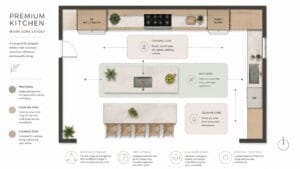
The modern remodeling landscape is shifting heavily toward warm, multi-functional spaces. Today’s premier kitchens blend natural materials with advanced layouts to optimize daily workflows and maximize property value. Undertaking a high-end remodel requires strategic foresight. You are managing dozens of structural choices, and building a space that remains functional for decades requires looking past superficial trends. Consider this your roadmap to architectural brilliance.
Kitchen footprints are expanding remarkably. Recent Houzz industry data reveals a strong structural trend. Among homeowners expanding their kitchen footprint, nearly one-third are actively absorbing adjacent spaces like traditional formal dining rooms to create expansive, unified great rooms. This structural shift effortlessly connects your cooking workspace with casual living areas. As footprints expand, the classic working triangle has evolved into something far more practical. Architects now design localized work zones (a wet prep zone, a baking zone, and a cleanup zone) to streamline movement and optimize the physical flow of navigating a massive kitchen.
The Rise of the Double Island Configuration
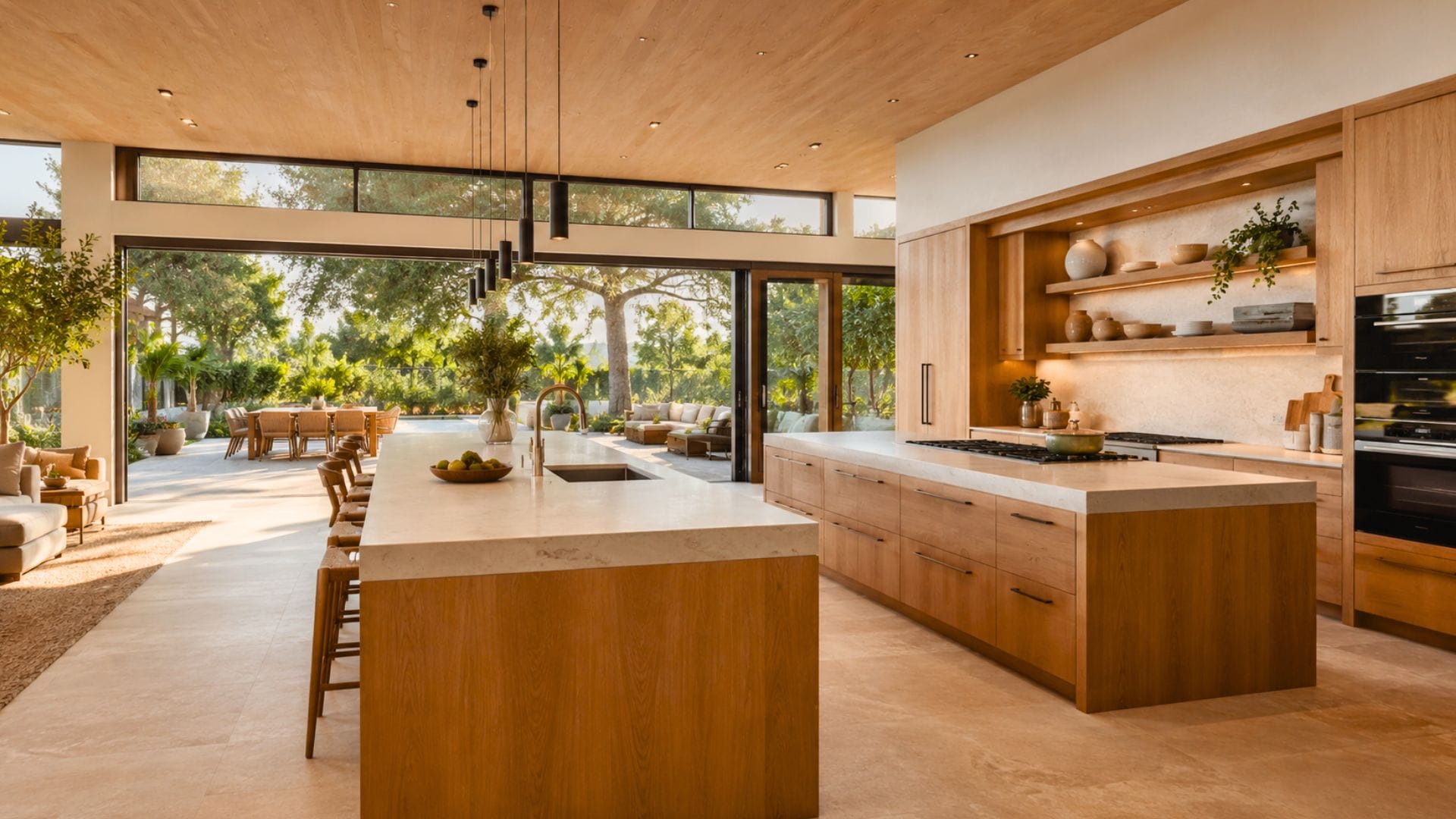
With the widespread shift toward open great rooms, the double island layout has emerged as a top architectural standard. The spatial logic behind this design is incredibly effective. By installing a second island, you distinctively separate the room’s distinct functions while preserving beautiful sightlines.
Your inner island serves as a dedicated hub for active food prep and culinary execution. The outer island acts as an elegant social boundary, purposed entirely for casual dining, remote work, and gathering. This setup keeps your guests comfortably engaged while the cooking process flows smoothly.
Sculleries, Butler’s Pantries, and Appliance Garages
Open-concept layouts bring the active culinary process directly into the living space. To maintain an immaculate presentation while preparing meals, top designers are increasingly incorporating sculleries or secondary prep kitchens. Recent industry surveys show that 67 percent of homeowners adding a butler’s pantry use it specifically to hide small appliances, while 61 percent include dedicated prep counters. This addition lets you host effortlessly by keeping the primary kitchen visually pristine.
If you are optimizing a focused square footage for your layout, appliance garages offer a brilliant alternative for visual harmony. By extending standard cabinetry down to the countertop and equipping it with elegant tambour or pocket doors, you can neatly conceal blenders, espresso machines, and daily tools. This approach keeps your primary work surfaces completely uninterrupted.
Material Science: Engineering a Low-Maintenance Sanctuary

A luxurious home should provide a lifetime of effortless enjoyment. Modern kitchen design supports a peaceful lifestyle through advanced material science. Today’s premium surfaces deliver breathtaking luxury while remaining flawlessly intact over time. You deserve a sophisticated space that resists staining and scratching, giving you more time for culinary creativity instead of constant cleaning.
The Resurgence of Wood Over Traditional Enamel
Natural materials are taking center stage again to bring organic warmth and incredible resilience back to the heart of the home. Painted Medium-Density Fiberboard (MDF) cabinetry offers a sleek initial look, and its rigid enamel surface requires highly attentive care to maintain its pristine quality.
Stained wood provides significantly superior long-term performance. According to the National Kitchen and Bath Association (NKBA), white oak has become the dominant choice for natural wood cabinetry. White oak introduces essential warmth and features a subtle grain structure that perfectly camouflages daily use. It offers exceptional durability and a timeless aesthetic that gracefully evolves with your home.
The Countertop Comparison: Porcelain vs. Quartz vs. Natural Stone
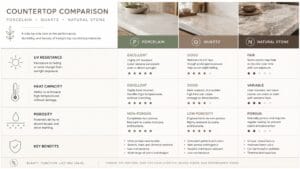
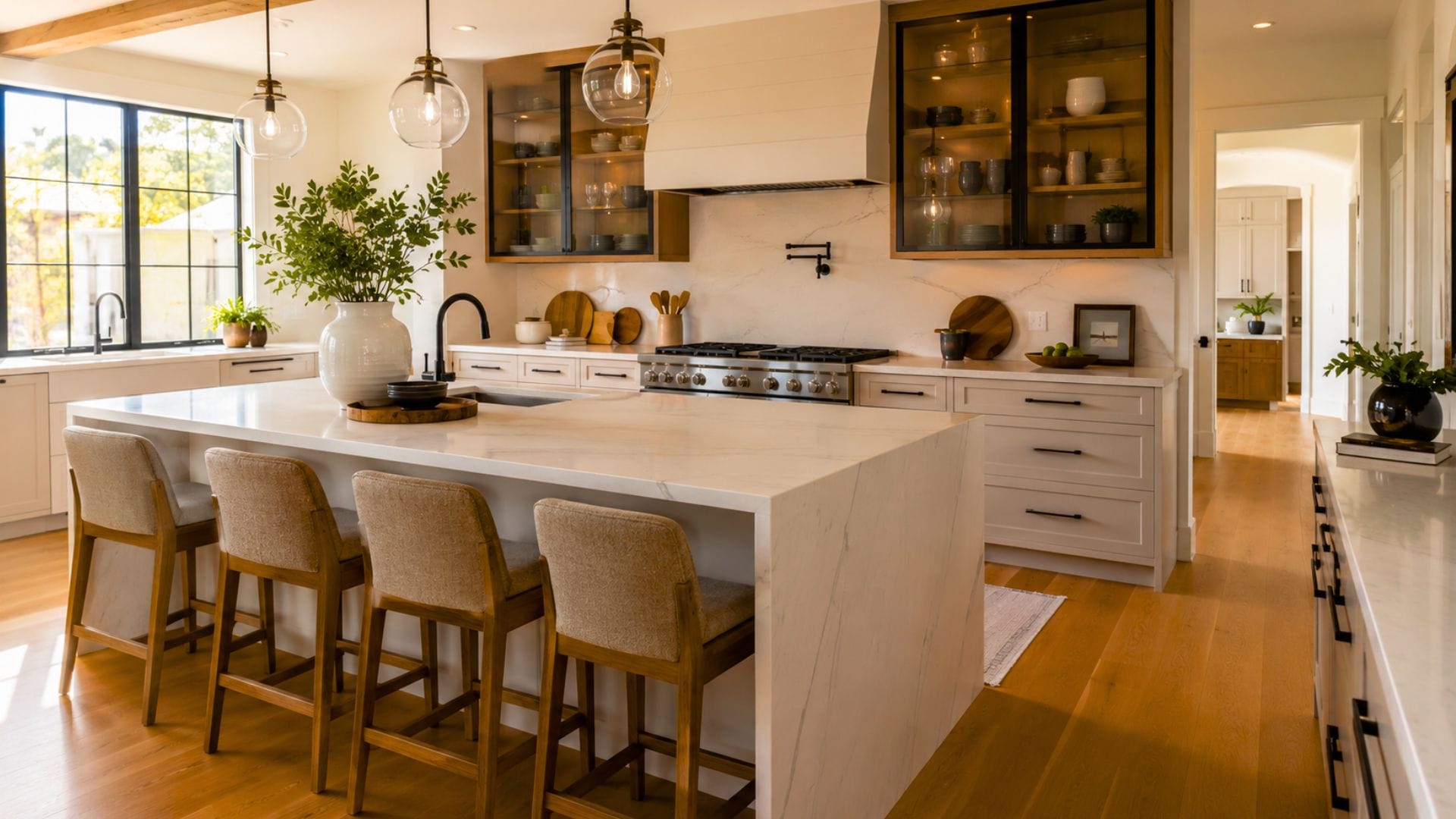
Choosing the right horizontal surface requires balancing striking visuals with high-performance engineering. Large-format porcelain slabs currently dominate the premium market because of their completely impervious structure. Quartz contains polymer resins that react to extreme heat and shift in color under direct sunlight. Porcelain is fired at extreme temperatures, providing absolute thermal and UV resilience. It bridges the gap between indoor and outdoor spaces beautifully while easily handling the high-capacity demands of a modern culinary hub.
| Material | UV Resistance | Thermal Shock Capacity | Resin Color Consistency | Porosity |
| Porcelain | Exceptional | Superior (cast-iron safe) | Perfect (resin-free) | Non-porous |
| Quartz | Moderate | Moderate (requires trivets) | Variable (prone to yellowing) | Non-porous |
| Natural Stone | High | High | Perfect | Porous (requires annual sealing) |
Color Theory and the Curation of Mixed Metals
The 2026 design standard fully embraces curated complexity. This sophisticated approach intentionally pairs contrasting metallic finishes to create visual texture and a sense of acquired history rather than relying on a sterile showroom look. While industry data confirms that neutral tones remain the dominant baseline, designers are introducing rich statement colors through green, blue, and brown accents. By purposefully mixing complementary metals and grounding the room in earthy tones, you infuse the space with profound character. This layered styling ensures your kitchen feels highly personalized and custom-tailored.
Ensuring Architectural and Mechanical Brilliance
Bringing your ultimate remodeling vision to life requires a rigorous understanding of structural execution. Balancing aesthetics perfectly with mechanical performance ensures absolute success. Prioritizing robust engineering from day one allows you to enjoy a flawlessly operating kitchen for decades.
Optimizing Material and Grout Selections
Choosing the correct materials for high-traffic wet zones is paramount for effortless upkeep. Standard white cementitious grout absorbs minerals and cooking oils, which naturally alters its original pristine color over time. The definitive standard for continuous brilliance is the installation of high-performance dark epoxy grout or utilizing completely seamless porcelain slab backsplashes. These premium choices offer extraordinary visual appeal, resist chemical staining completely, and streamline your maintenance routine by requiring only the gentlest cleaning methods.
Securing the Farmhouse Sink Base

Installing an elegant apron-front sink requires precise cabinetry construction to guarantee lasting structural integrity. When water drips over the edge of a farmhouse sink and interacts with standard MDF cabinetry, a natural process called capillary action gently draws the moisture inward. This interaction causes the wood fiber to expand, which alters the paint and the cabinet structure.
To ensure absolute resilience, elite contractors strictly mandate the use of fully sealed, marine-grade plywood base cabinets for all wet zones. This premium foundation provides ultimate moisture resistance and ensures your custom cabinetry remains structurally perfect.
Enhancing Ergonomics: Cabinetry and Microwave Placement
Designing for optimal physical comfort significantly elevates your daily culinary experience. While under-counter motorized microwave drawers were briefly popular, homeowners quickly discovered that the motorized inertia shifts liquids, and cleaning the interior ceiling requires awkward physical movement. The highly accessible and remarkably smooth solution is integrating standard microwaves within elegant, waist-height appliance garages.
Furthermore, 24 to 30-inch heavy-duty full-extension drawers have become the ultimate standard, brilliantly replacing traditional lower cabinet doors with fixed shelving. These expansive drawers eliminate the need to reach into deep corners. They bring every culinary tool and ingredient directly to you in one smooth motion, providing unparalleled accessibility.
Artificial Intelligence and the Hyper-Connected Ecosystem
The modern smart kitchen has evolved beautifully beyond the era of basic touchscreens affixed to refrigerator doors. Today’s artificial intelligence is deeply embedded into the mechanical infrastructure of your appliances. It seamlessly automates domestic physics and delivers unparalleled asset protection. This hyper-connected ecosystem operates as a brilliant silent partner, optimizing your daily workflow and ensuring your premium investments perform flawlessly.
Predictive Maintenance and Asset Protection

Your home is a sanctuary, and advanced AI delivers absolute peace of mind by actively ensuring continuous operational success. High-end networked appliances now utilize highly sophisticated internal sensors to continuously monitor thermal efficiency, motor friction, and water line pressure in real-time. These intelligent systems are designed for ultimate longevity and proactive care. Long before a compressor requires attention or a water line needs service, the appliance communicates operational updates directly to your smartphone. This brilliant foresight preserves your environment, gracefully protecting your exquisite hardwood flooring and custom cabinetry indefinitely.
The Automation of Culinary Physics and Resource Efficiency
Artificial intelligence is elevating the art of cooking by mastering the precise thermodynamics required for spectacular meals. The newest intelligent ovens feature advanced computer vision that instantly identifies the exact mass, density, and moisture profile of your ingredients. The system dynamically adjusts ambient humidity, airflow, and radiant heat, guaranteeing molecularly perfect and consistently phenomenal outcomes for every dish regardless of your culinary skill level.
Resource efficiency has reached an equally brilliant level of sophistication. Premium auto-dosing dishwashers now deploy integrated optical sensors to measure the exact turbidity of the water. By dispensing the precise micro-milliliter of detergent required to break down specific proteins, these systems ensure your dishware emerges sparkling clean while maximizing resource conservation.
Generational Optimization: Designing for Your Life Stage
The most successful kitchen designs are deeply attuned to your specific lifestyle and daily rhythms. By aligning your architectural choices with your exact life stage, you create a highly personalized environment that actively elevates your daily routine. Understanding these demographic priorities allows you to invest in the features that will deliver the most profound value for your family.
| Life Stage Focus | Core Architectural Priority | Key Design Integrations |
| Gen X & Millennials | Capacity, Flow, and Seamless Logistics | Ultra-durable surfaces, massive drop-zones, multi-functional double islands |
| Baby Boomers | Ergonomics, Visibility, and Lifelong Comfort | Height-adjusted appliances, touchless technology, layered LED illumination |
Gen X and Millennials: Capacity, Flow, and Logistics
For dynamic households focused on multi-generational living and high-end entertaining, the kitchen serves as a brilliant high-capacity operational hub. The design strategy here centers on establishing a beautifully frictionless workflow capable of handling heavy daily traffic.
By integrating ultra-durable premium materials and expansive drop-zones, the space effortlessly accommodates simultaneous cooking, homework supervision, and social gathering. Intelligently mapped spatial flows and massive island configurations ensure that even during the most lively dinner parties, the environment remains exceptionally organized and visually immaculate.
Baby Boomers: Ergonomics, Lighting, and Aging-in-Place
Designing for lifelong comfort involves integrating brilliant ergonomic solutions that celebrate physical well-being and preserve independence. The modern standard focuses on creating a beautifully accessible, highly intuitive environment that reduces daily physical strain.
By specifying height-adjusted dishwashers and modern touchless kitchen faucets, you create a wonderfully fluid culinary experience. Pairing premium slip-resistant flooring with layered high-contrast LED lighting schemas ensures spectacular visibility and exceptional comfort, providing you with an independent luxurious sanctuary for decades to come.
Empowered Contractor Relations and Structural Realities
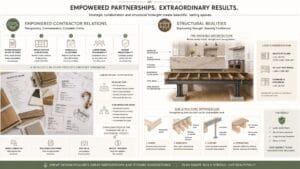
Achieving your ultimate design vision requires an exceptional partnership with your building team, rooted in complete transparency and a profound understanding of structural engineering. By establishing a highly structured collaboration, you guarantee a remarkably smooth and wonderfully predictable remodeling experience.
The Micro-Detailed Scope of Work
To ensure absolute financial predictability while navigating the financial expectations of a modern renovation, elite homeowners implement a highly specific Scope of Work to maintain complete budget control. This legally binding framework meticulously outlines every brand, model number, and dimensional specification of your chosen fixtures. It establishes complete pricing clarity from the very beginning.
Equally important is having an open collaborative discussion regarding your contractor’s labor model. Understanding whether they utilize dedicated in-house W-2 employees or a network of subcontractors allows you to establish perfect expectations for daily quality control, strict adherence to your realistic remodeling timeline, and on-site security.
The Invisible Architecture: Assessing the Foundation
Before introducing magnificent substantial elements into your space, you must ruthlessly evaluate the invisible architecture beneath them. A standard floor joist system designed in 1990 will require significant reinforcement to support the localized weight of a massive quartzite island and a 48-inch professional-grade cast-iron range.
By proactively optimizing the sub-structure and increasing its sheer capacity, your engineering team ensures absolute structural harmony. This mandatory foresight ensures perfectly level floors and completely secure countertop slabs, allowing you to enjoy your extraordinary new kitchen with ultimate confidence.
Frequently Asked Questions (FAQ)
Navigating a major remodel naturally brings up highly specific questions regarding material longevity and design relevance. Here are the definitive expert-backed answers to the most critical queries shaping the 2026 kitchen landscape.
What is the most durable countertop material for a modern kitchen?
Large-format porcelain is unequivocally the most durable countertop material in 2026. Fired at extreme temperatures, porcelain creates an entirely non-porous and ultra-dense surface. Unlike quartz, porcelain is completely impervious to thermal shock and UV yellowing. You can confidently place a hot cast-iron skillet directly onto the surface and extend the material seamlessly into a sun-drenched outdoor kitchen with complete peace of mind.
Are earth tones becoming the new standard in 2026?
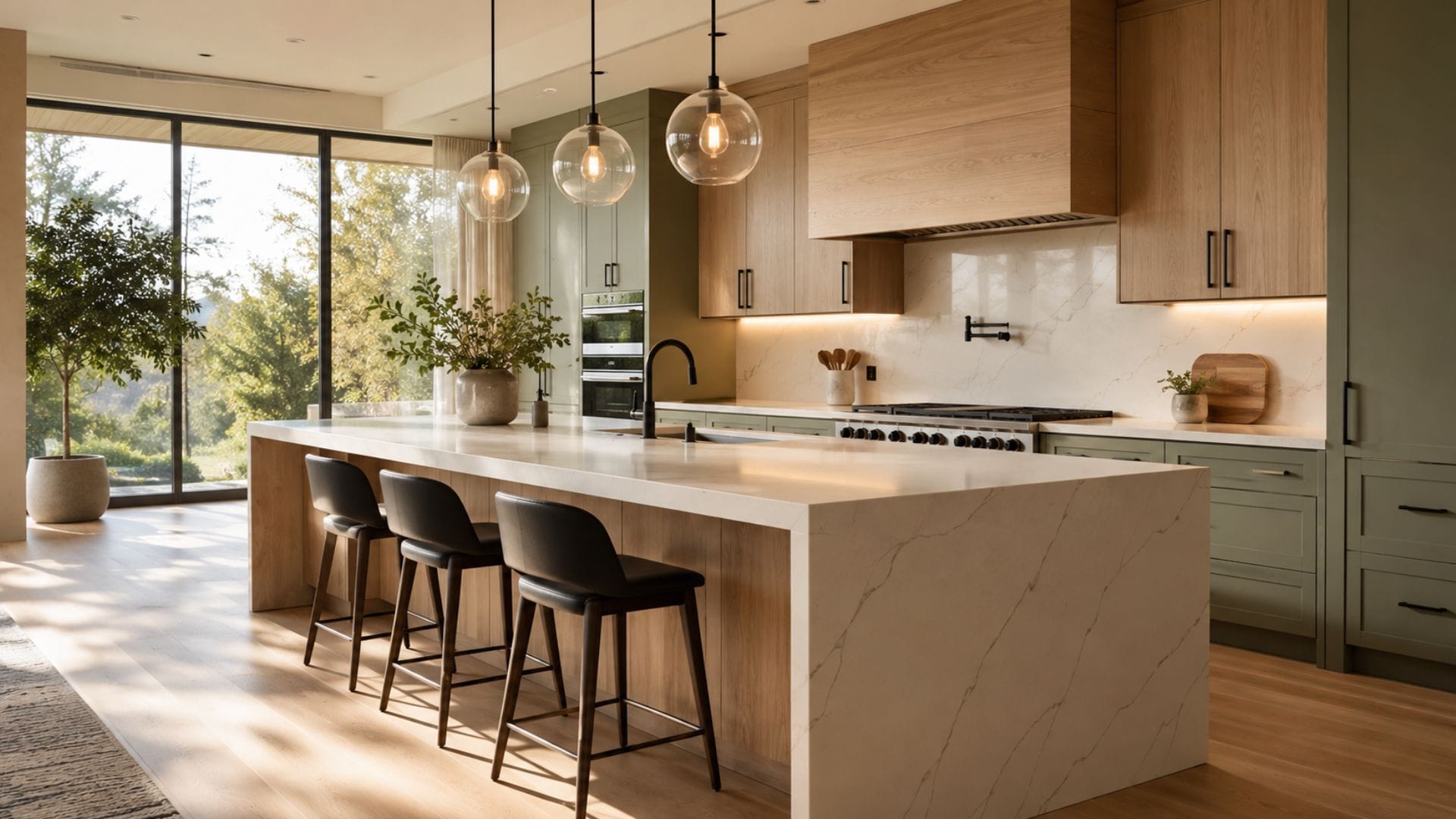
Yes, biophilic design and earthy neutrals are the defining aesthetics of the modern kitchen. Homeowners are actively transitioning away from purely utilitarian white environments in favor of spaces that offer psychological warmth and tactile richness. The 2026 aesthetic relies heavily on layered earth tones (such as mushroom browns, clay taupes, and muted sage greens) anchored by the organic texture of stained white oak cabinetry.
What is the best alternative to white grout on kitchen floors?
Standard white cementitious grout absorbs mineral deposits and cooking oils, requiring a dedicated ongoing cleaning routine to preserve its original brightness. The definitive modern solution is utilizing high-performance dark epoxy grout or utilizing completely seamless large-scale porcelain slabs. Both options create a wonderfully low-maintenance experience that retains a pristine appearance effortlessly.
What is the modern alternative to a working triangle?
The classic working triangle has evolved into the AI-optimized work zone concept. Because modern kitchens have expanded dramatically by integrating the formal dining room and adding double islands, a rigid triangle creates extended travel distances between appliances. The work zone framework establishes dedicated localized hubs. These include a wet prep zone, a baking zone, and a cleanup zone. Each zone features its own point-of-use storage and intelligent appliances to create a beautifully efficient culinary workflow.